Compare building renovations
Compare building renovations
Blog Article
Pioneering Architect Solutions: Transforming Spaces With Vision
Innovative architectural designs are reshaping city environments with a focus on functionality and sustainability. Architects are incorporating intelligent systems and sustainable resources to create adaptable spaces. These designs prioritize public participation, fostering human connection through communal spaces and regional cultural features. This development raises questions about the upcoming nature of city life and the function of design in enhancing individual quality of life. What implications do these advancements have for the broader community?
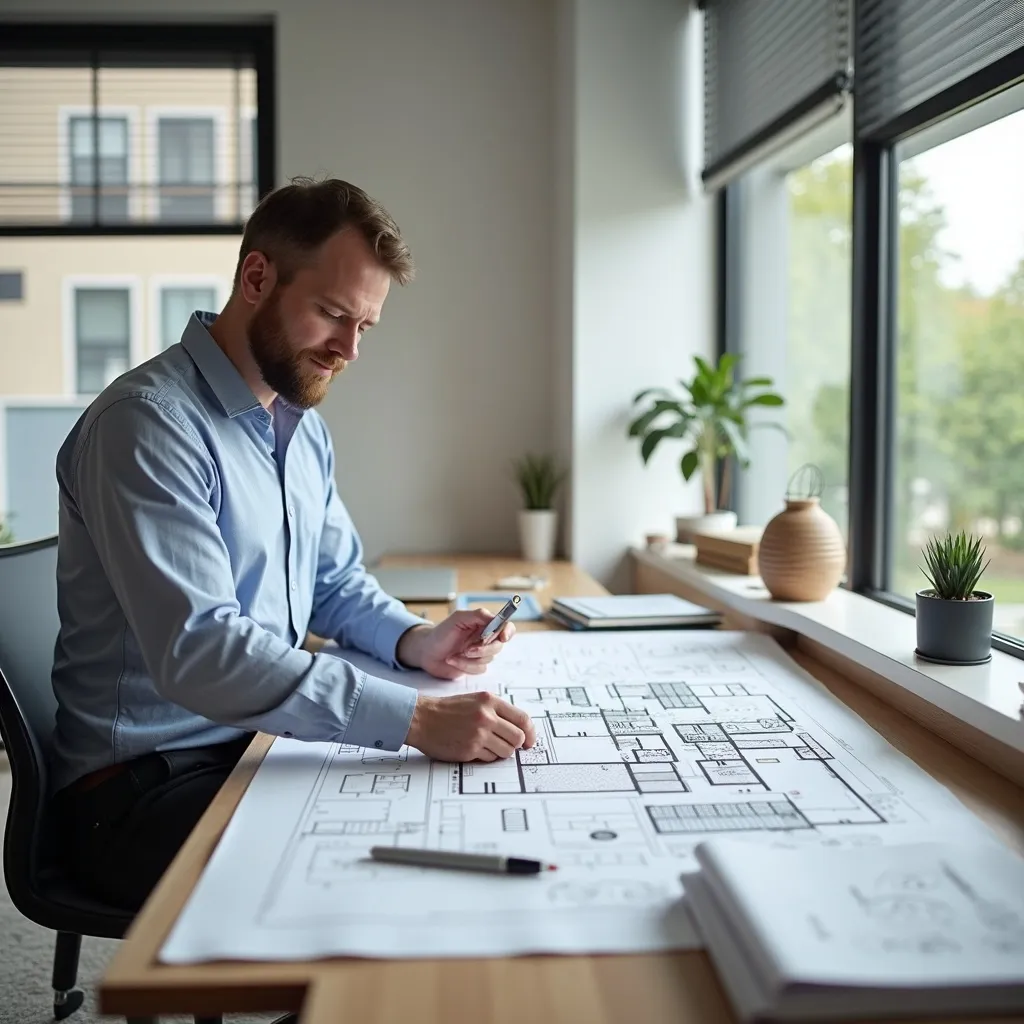
Architects and Their Importance in Current Design
Architects shape the built environment, transforming abstract ideas into tangible structures that mirror contemporary needs and values. Their role goes beyond mere aesthetics; they integrate functionality, safety, and sustainability into their designs. By analyzing societal trends and technological advancements, architects create spaces that foster community engagement and enhance user experience. They collaborate with engineers, urban planners, and clients, ensuring that each project meets specific requirements while adhering to regulatory standards.
Modern architectural practice requires architects to weigh imaginative thinking with feasibility, consistently investigating revolutionary designs and compounds that break new ground. Their endeavors addresses diverse challenges, spanning urban density to environmental concerns, through developing adaptable spaces that meet changing lifestyles. Serving as representatives for both clients and the environment, design experts are pivotal in influencing the direction of city skylines, ensuring that facilities not only serve immediate purposes but also remain as valuable holdings for later eras.
Renewable Materials in Architectural Design
Sustainable materials serve as an essential role in contemporary building design, influencing both aesthetics and functionality. By incorporating environmentally conscious choices and utilizing recycled materials, architects can greatly minimize ecological footprint. Creative green initiatives further enhance these endeavors, opening the door for a more responsible construction methodology.
Environmentally Responsible Material Selections
While conventional construction materials often contribute to environmental degradation, forward-thinking designers increasingly favor eco-friendly options that reduce environmental footprint. These materials, such as bamboo, reclaimed wood, and recycled metals, not only reduce greenhouse gas emissions but also enhance structural performance. Architects are investigating bioplastics and rammed earth, which provide longevity alongside environmental responsibility. Natural insulation materials, like sheep's wool and hemp, further improve power efficiency. Such decisions also reflect a commitment to sustainable resource management, decreasing the demand for virgin materials. By integrating local materials, architects support regional economies and lower transportation emissions. This shift towards eco-friendly material choices signifies a broader movement within the architectural community, stressing the significance of design that harmonizes with the environment.
Gains of Repurposed Products
The usage of recycled resources in structure design provides major benefits that complement eco-friendly principles. By incorporating materials such as reclaimed wood, recycled metal, and repurposed glass, architects can minimize waste and reduce the demand for virgin resources. This method not only preserves natural materials but also reduces energy consumption tied to manufacturing new products.
Additionally, using recycled resources can boost the visual appeal of structures, delivering unique textures and histories that new materials cannot duplicate. From a financial perspective, these materials typically come at a lower cost, allowing budget-conscious construction without compromising quality. In summary, the integration of recycled resources encourages environmental responsibility while advancing innovative design solutions that align with sustainable living ideals.
Creative Eco-Friendly Programs
As the industry of architecture places more emphasis on environmental impact, novel sustainability practices have surfaced, presenting materials that both reduce ecological footprints and boost design versatility. Eco composites, reclaimed wood, and bamboo remain at the leading edge, delivering aesthetic appeal while limiting material consumption. These resources can be employed across multiple applications, from framework parts to finishes, enabling innovative architectural expressions. Also, the integration of green insulation and low-VOC paints promotes better indoor air. Using recycled metal and glass further illustrates how sustainability can fuse with modern design, producing notable aesthetic features without hindering environmental stewardship. Altogether, these techniques not only transform construction methods but also set a benchmark for future progress in architectural sustainability.
Modern Equipment in Common Locations
Smart technology is steadily becoming a fixture in everyday spaces, supplying users with superior convenience and control. Through fluid integration of devices, these systems not only make easier daily tasks while also meaningfully enhance resource conservation. This progression in design exemplifies a heightened priority on functionality and sustainability in modern architecture.
Effortless Merging of Devices
Improving everyday spaces, pioneering designers are continuously incorporating smart technology to produce uninterrupted connections of devices. These frameworks focus upon mutual communication, allowing home systems to communicate without difficulty. For instance, lighting, heating, and security devices can be controlled via a unified system, enhancing user convenience. Architects emphasize intuitive layouts, making certain that technology aligns with the visual character of the space rather than overwhelming it. Speech-controlled systems and intelligent devices are strategically placed to improve functionality while maintaining a harmonious appearance. This blending not only enhances practicality but also shifts the way individuals experience their environments. As a result, spaces become more adjustable, satisfying the dynamic needs of modern living while cultivating an atmosphere of comfort and efficiency.
Advancing Power Effectiveness
Incorporating advanced technology into common environments transforms energy efficiency. Intelligent networks, such as smart temperature controls and automated lighting, actively track and regulate energy usage, greatly reducing waste. These innovations allow architects to create structures that respond dynamically to occupant needs, ensuring ideal comfort while minimizing energy consumption.
Adopting sustainable power sources, such as solar panels, optimizes environmental stewardship. Connected grid infrastructure enable real-time energy management, empowering homeowners to monitor their energy consumption and adjust accordingly. Additionally, energy-efficient appliances and materials play a role in lessened environmental burden.
As designers embrace these technologies, they design spaces that not only meet functional requirements but also advance environmental stewardship. The result is a harmonious integration of aesthetics and efficiency, transforming how people interact with their environments.
Why Biophilic Design Is Significant for Our Areas?
Although many may dismiss the relevance of nature-based elements in creative work, biophilic design is fundamental in enriching human quality of life within developed spaces. This framework combines nature into interior spaces, nurturing a connection to nature. By incorporating elements such as daylight, greenery, and natural resources, biophilic design promotes mental well-being and lowers stress. Research confirms that exposure with nature can strengthen focus, creativity, and overall productivity.
Moreover, nature-centered design fosters a more environmentally responsible framework to architecture, as it emphasizes harmony between constructed environments and natural ecosystems. This design philosophy not only boosts see guide aesthetic value but also supports ecological wellness by employing sustainable materials and energy-efficient methods. Fundamentally, championing biophilic design transforms areas into healthier, more welcoming spaces, benefiting inhabitants and the planet alike. As urbanization continues to surge, the significance of biophilic principles in architecture becomes increasingly critical.
Exploration of Pioneering Architectural Concepts
As urban landscapes transform, creative building concepts appear, demonstrating the possibilities of creativity and sustainability. One significant case study is the Bosco Verticale in Milan, Italy, which consists of two residential towers covered in over 9,000 trees and 20,000 plants. This vertical forest not only enhances biodiversity but also improves air quality and lowers energy usage.
One more example is the Cactus Tower in Copenhagen, designed to resemble a cactus with its protruding balconies that encourage communal interaction. This design promotes social connectivity while providing unique living spaces.
In Singapore, the Jewel Changi Airport presents a breathtaking indoor waterfall and green surroundings, combining nature with innovation. This multifunctional space enhances traveler satisfaction and functions as a recreational area for the public.
These case studies showcase how innovative architectural designs can fuse operational performance with ecological awareness, converting urban spaces into vibrant, sustainable environments.
What Impact Does Community-Valued Design Have on Enhancing Urban Living?
Community-centric architecture greatly enhances urban living by fostering social interaction and inclusivity. This approach prioritizes the requirements of communities, encouraging the creation of communal spaces such as parks, plazas, and community centers. These environments serve as essential hubs where residents can gather, collaborate, and engage in recreational activities, thereby reinforcing social bonds.
Additionally, community-based approaches often incorporate place-based cultural features, expressing the values and character of the neighborhood. This fosters a sense of belonging and promotes local pride among dwellers. Features such as walkable pathways and mixed-use developments further strengthen connectivity, rendering urban areas easier to traverse and enter.
Moreover, this architectural approach frequently addresses issues of affordability and sustainability, ensuring that various communities can flourish in city environments. By combining these components, community-centric design contributes significantly to establishing vibrant, resilient urban environments that boost the quality of life for all inhabitants.
Tomorrow's Advancements in Architecture
Emerging trends in design are increasingly shaped by tech innovations and sustainability factors. The incorporation of smart technologies is transforming architectural layouts, facilitating for enhanced energy efficiency and superior user experiences. Architects are now employing AI and ML technologies to enhance layouts, predict environmental impacts, and streamline construction processes.
Sustainability persists as a main concern, with builders emphasizing environmentally conscious materials and sustainable energy alternatives. Biophilic design is becoming prevalent, as experts incorporate natural elements to foster well-being and connectivity to nature. Additionally, modular and prefabricated construction methods are rising, promoting expedited construction schedules and affordability.
Additionally, building renovation is emerging as a popular approach, repurposing old structures into operational areas while protecting cultural heritage. As cities expand, architects are promoting inclusive designs that accommodate diverse populations, ensuring that urban environments are welcoming and inviting for all. These trends reveal a future where architecture combines technology, sustainability, and community.
Frequently Requested Questions
In What Ways Do Architects Accomplish Equilibrium Between Creativity and Performance in Their Designs?
Architects combine creative thinking and useful features by integrating aesthetic vision with essential needs. They review user needs, environmental factors, and structural integrity, assuring designs are both visually appealing and usable, fostering harmony between form and purpose.
What Are Common Challenges Faced by Creative Architects Today?
Pioneering architects routinely confront hurdles such as budget constraints, regulatory adherence, sustainable sourcing practices, and client expectations. Aligning creative ambition with pragmatic considerations and environmental impact further compounds their creative processes in today's progressive architectural landscape.
How Can Clients Effectively Communicate Their Ideas to Architects?
Clients can clearly articulate their vision to architects by providing clear objectives, visual references, and detailed descriptions. Engaging in open dialogue guarantees cohesion, fostering a collaborative environment that elevates understanding and facilitates the design process.
How Does Cultural Context Affect Architectural Design Selections?
Cultural context profoundly affects architectural design by determining aesthetics, functionality, and symbolism. It influences materials, techniques, and spatial organization, making certain that structures connect with local traditions, values, and environmental conditions, ultimately boosting community identity and relevance.
How can design practitioners remain abreast of latest styles and modern solutions?
Architects stay informed with design trends and technologies through continuous education, attending workshops, networking at industry events, subscribing to professional journals, and engaging with online platforms that showcase innovative ideas and emerging practices in architecture.
Report this page